
xchange™ Nasal CPAP
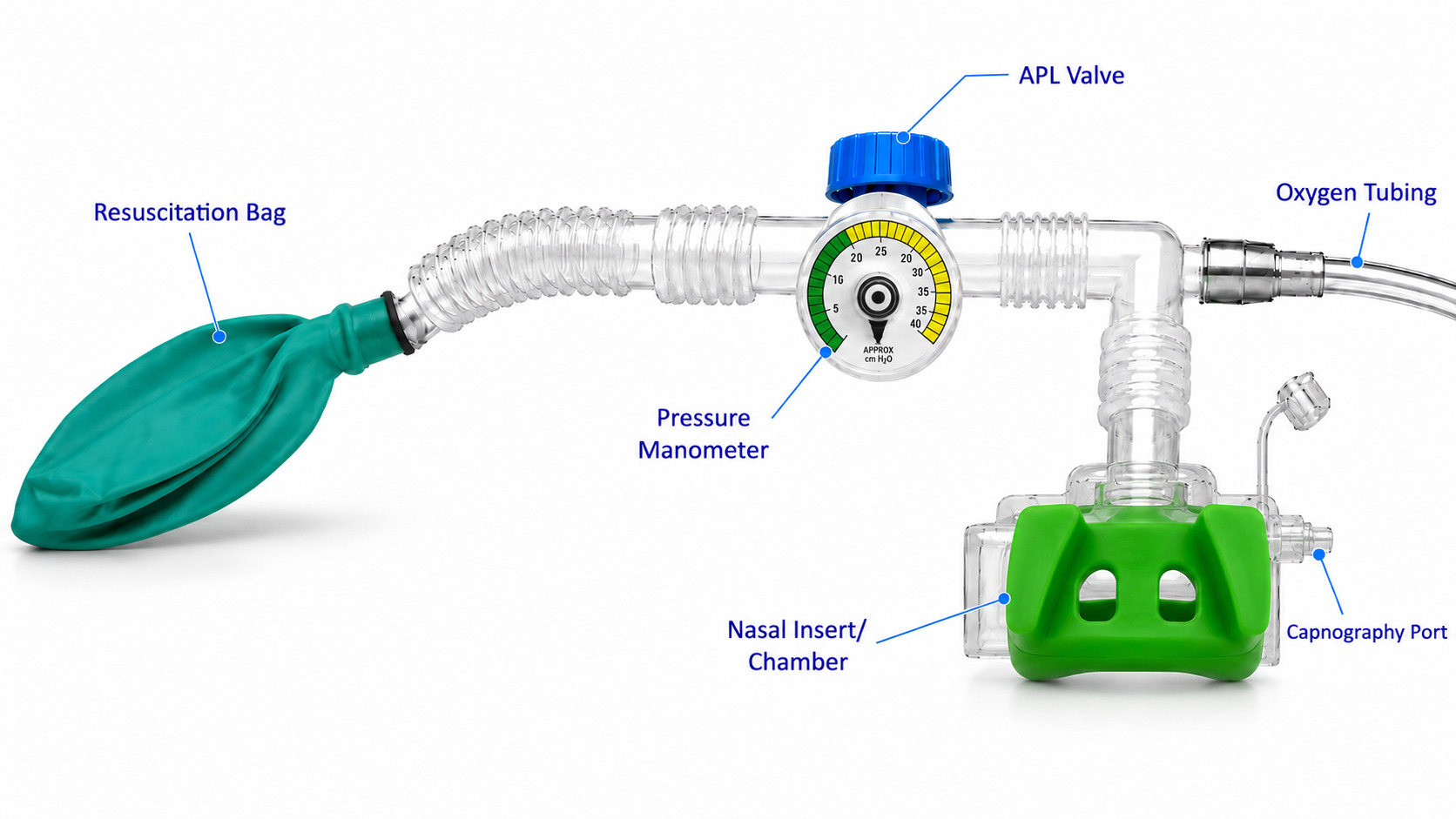
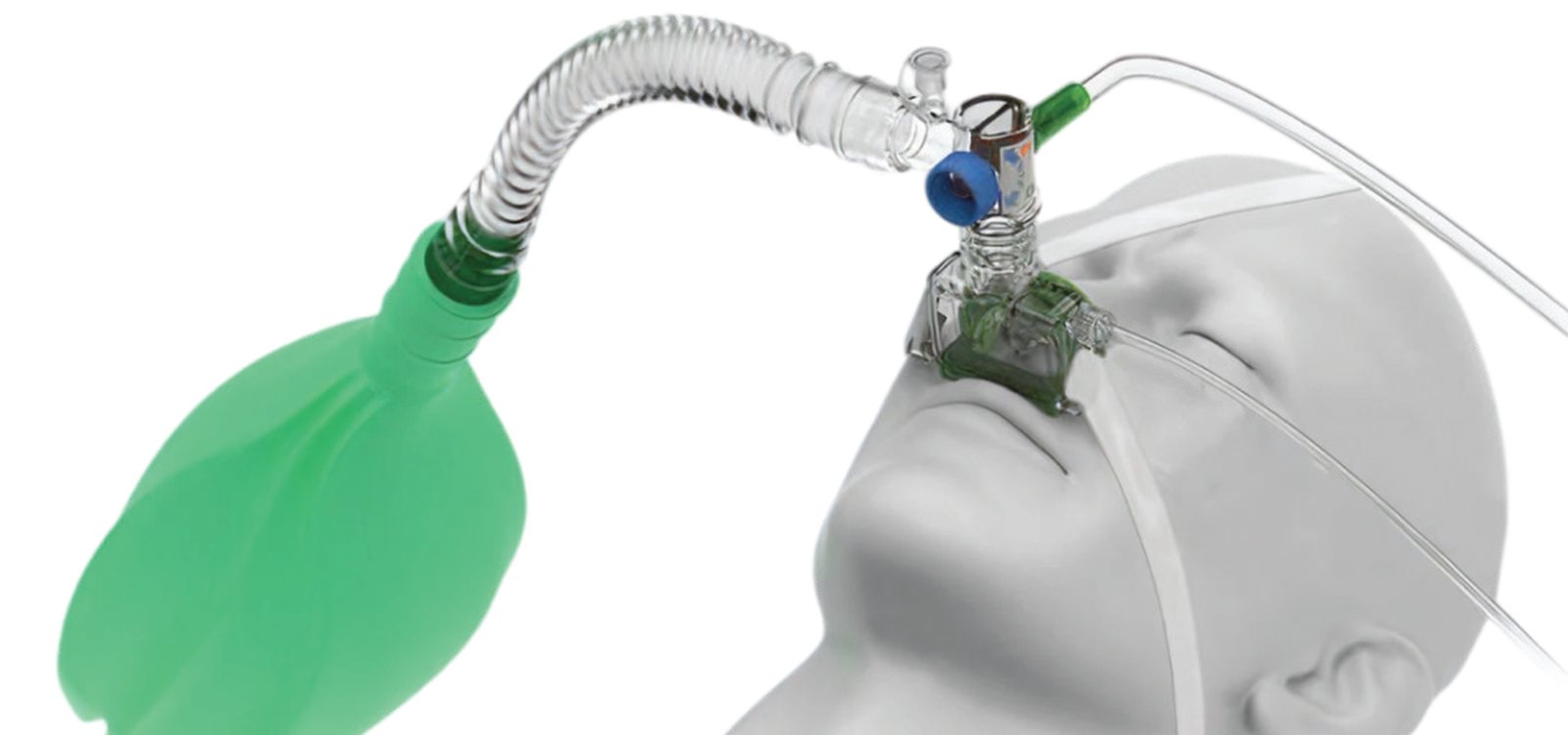
A single-use nasal CPAP device designed to perfect continuous positive airway pressure quickly and effectively throughout both the intraprocedural and post-procedural periods.
- Pressures up to 20 cmH₂O via integrated APL valve
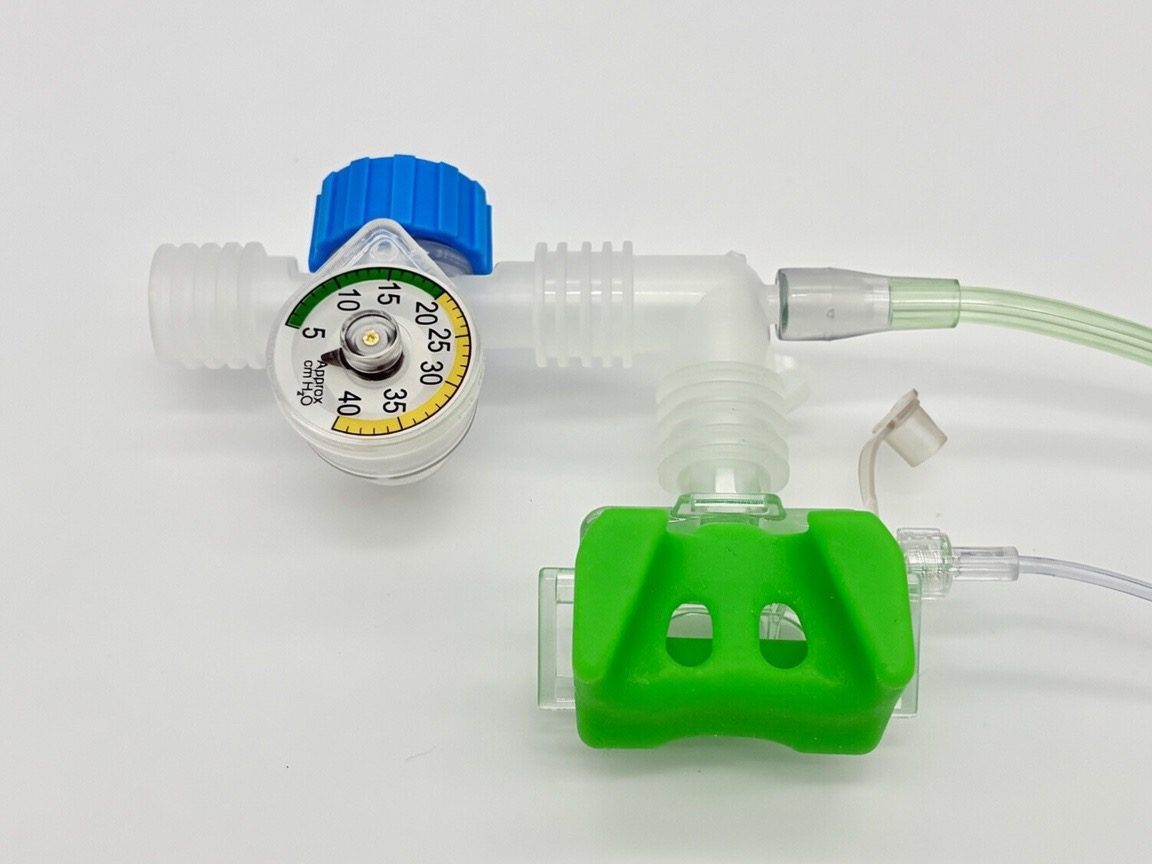
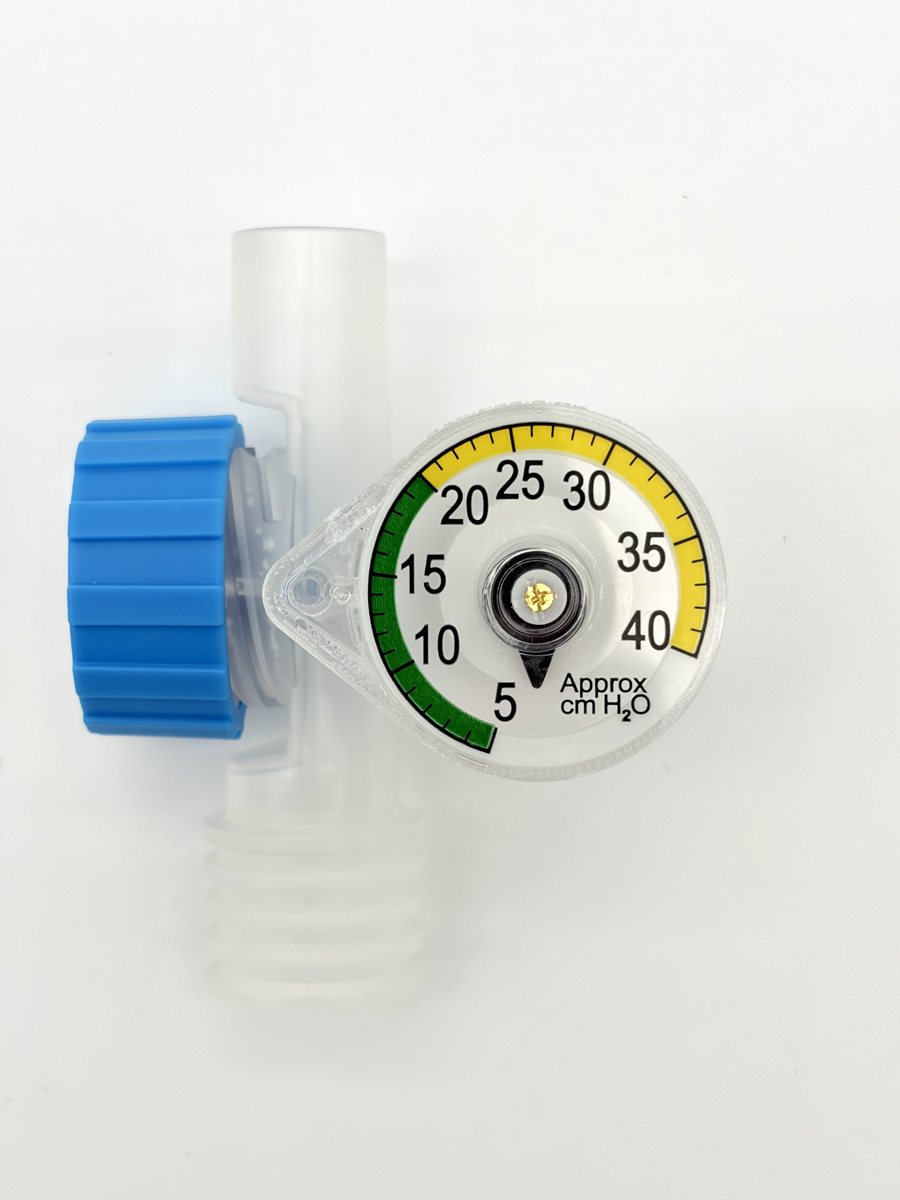
- Integrated manometer for real-time pressure visualization
- EtCO₂ sampling port with pre-attached gas sampling tube
- Connects to wall oxygen — no capital equipment
- Single-use, for adult patients (>30 kg)
Request a Demo / SampleInstructions for Use (PDF)
FDA 510(k) cleared: K210112 · Decision date January 30, 2023 · Product code CCK (subsequent BSJ) · Regulation 21 CFR 868.1400, Class II
Rx only. U.S. Federal law restricts this device to sale by or on the order of a physician.
Order code: PX-XCS-20
Key features
Adjust pressure to pneumatically stent open the upper airway for superior oxygenation and ventilation.
- 01
End-Tidal CO₂ Monitoring
Exhalation sampling to monitor adequacy of patient ventilation. Supports continuous end-tidal carbon dioxide monitoring to assess ventilation.
- 02
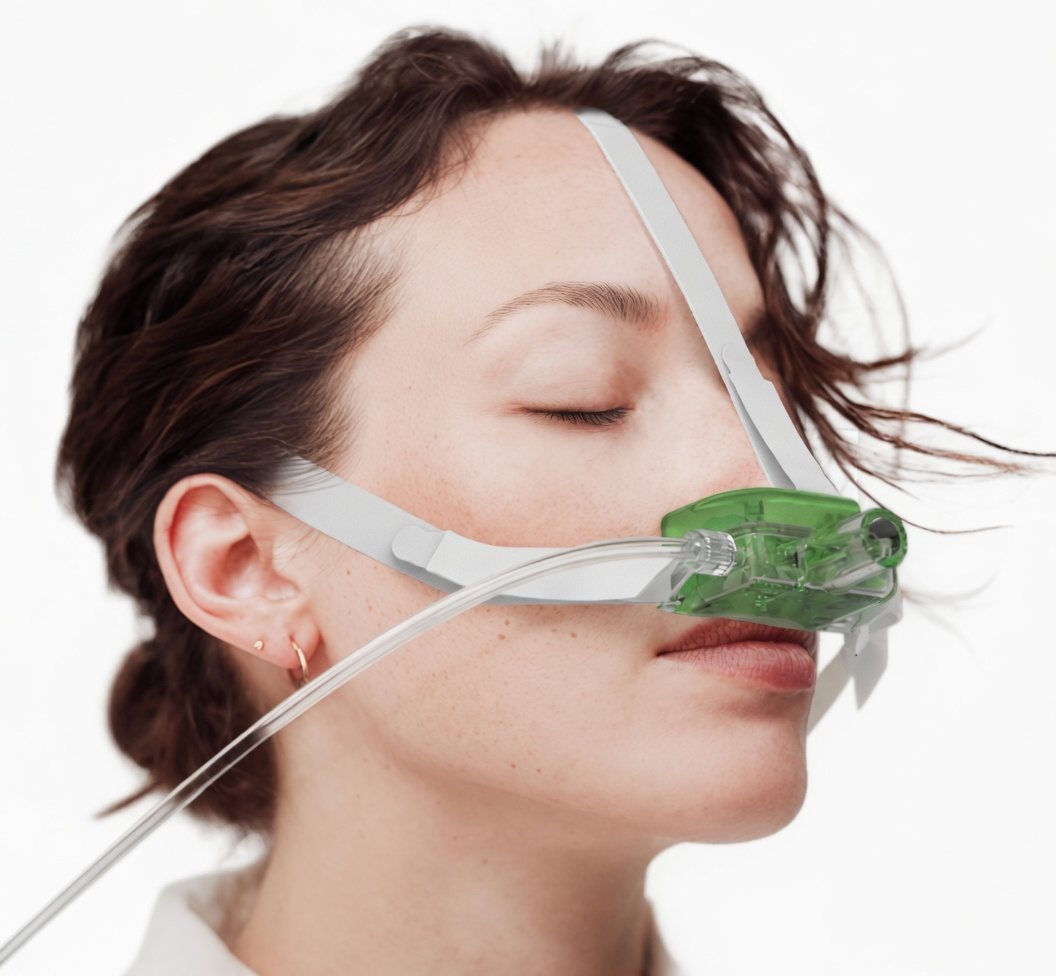
3-Point Head Strap
Reduces force required to achieve airway seal to increase patient safety.
- 03
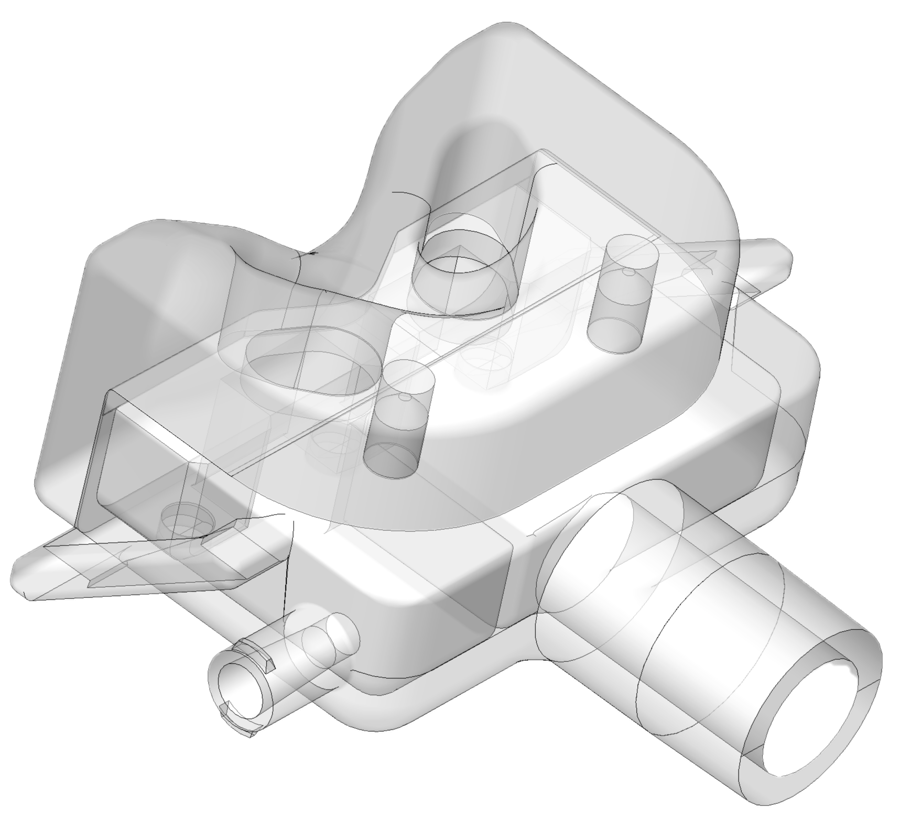
Proprietary Air Chamber
Directs flow to minimize EtCO₂ dilution and loss of visual monitoring curve.
- 04
Proprietary Nasal Interface
Fits a wide range of facial differences to completely seal airway.
- 05
Oxygen from Wall Source
No additional equipment or workflow changes for pre, intra or post op.
Measurable, adjustable pressure.
Adjustable Positive Airway Pressure
Delivers pressures up to 20 cmH₂O through an integrated adjustable pressure-limiting (APL) valve.
Real-Time Pressure Visualization
An integrated manometer allows clinicians to monitor delivered airway pressure.
Single-Use, Universal Design
A streamlined, disposable solution designed to simplify inventory management and clinical workflow.
Simple to use — 3 easy steps
Mount
Mount nasal dock and adjust comfort straps.
Connect O₂
Connect O₂ line to wall oxygen.
Connect EtCO₂
Connect EtCO₂ line to monitor.
Then adjust and confirm pressures with the integrated APL valve and manometer.
Built into existing workflow.
Comes with Fully Inclusive Kit
Single-use device with all necessary components included with no additional setup.
Compatible with Existing Infrastructure
Uses standard equipment including wall oxygen and capnography systems.
No Capital Investment Required
Functions without the need for additional hardware and costly equipment purchases. Connects to existing medical oxygen sources, allowing implementation without specialized capital equipment.
Rapid Effective Performance
Delivers high FiO₂ and continuous airway pressure within 20 seconds of application.
Ergonomic and Secure
Designed for comfort and stability during use on every type of patient.
One device, pre-, intra- and post-procedure.
Oxygen from wall source — no additional equipment or workflow changes for pre, intra or post op.
Delivers high inspired oxygen (FiO₂) continuously throughout the procedure with adjustable positive airway pressure.
Use can be extended into the recovery period if clinically indicated.
What’s in the package
- XChange™ device (conforming nasal seal + air chamber)
- Strap
- Gas sampling tube (pre-attached)
- Sampling port cap
| Technical specifications (IFU 89-PX-L-1000 Rev. 16) | |
|---|---|
| Device type | Multi-port nasal positive airway pressure apparatus |
| Fresh gas supply port | Standard 15 mm male; connects to a respiratory or anesthesia circuit |
| Exhaled gas sampling port | For end-tidal CO₂ monitoring via the supplied gas sampling tube |
| Deadspace volume | 12 ml |
| Maximum gas flow | Continuous flow not to exceed 15 LPM |
| Patient population | Adult patients >30 kg (66 lb) |
| Duration | Single use, short-term (<24 hours) |
| Storage temperature | -20° to +60° C (-4° to 140° F) |
| Storage humidity | 0% to 95%, non-condensing |
| Materials | Not made with DEHP; not made with natural rubber latex; non-sterile |
| Regulatory | FDA 510(k) K210112 (cleared Jan 30, 2023); product code CCK; 21 CFR 868.1400; Class II |
| Origin | Made in USA |
| Patents | US 12,453,833 B2; US 12,558,508 B2; other patents pending |
Order the xchange™
| Item | Description | UOM | Qty / case |
|---|---|---|---|
| PX-XCS-20 | xchange™ nasal CPAP | Case | 20 |
Order through MED Alliance Group, Inc.
MED Alliance Group handles all xchange™ orders.
Toll free: 888-891-1200 · Phone: 630-443-7070
Contact: Evan Schroeder · eschroeder@medalliancegroup.com
Email an order · medalliancegroup.com
2175 Oakland Drive, Sycamore, IL 60178
Samples, evaluation & product questions: Pneuma Therapeutics, 1-844-836-8458 · customersupport@pneumatx.com
The XChange Device is a nasal mask that creates a seal when positioned over a patient’s nasal base to direct anesthesia gas, air, and/or oxygen to the upper airway during the continuum of anesthesia care. It has a means for sampling expired gases from the patient’s exhaled breath from the nasal areas. It is a single use device, intended for short-term (<24 hours) use on adult patients (>30 kg), to be used under clinical supervision with adequate alarms and safety systems for monitoring and treatment of ventilatory failure.
Contraindicated for use in long-term ventilation conditions and treatment of sleep apnea. Not intended as an interface for high-flow nasal oxygen (HFNO) or any gases at flow rates greater than 15 LPM.
See the full Instructions for Use for warnings and cautions before use.
xchange™ vs. cannula and high-flow
| Feature | xchange™ | Standard Nasal Cannula | High-Flow NC |
|---|---|---|---|
| Max CPAP Pressure | 20+ cmH₂O | Limited | Variable 1–7 cmH₂O |
| Visually Confirm Pressure | Yes – manometer | No | No |
| EtCO₂ Sampling | Consistent | Often unreliable | Variable |
| Requires Capital Expense | No | No | Yes |
| Patient Comfort (Nasal) | High | Moderate | Moderate |
Source: xchange one pager (Pneuma Therapeutics).
Support the airway before obstruction becomes an emergency.
xchange™ is designed for proactive airway stabilization during moderate-to-deep procedural sedation and select TIVA cases when spontaneous ventilation is intended.
The strongest candidates are patients at elevated risk of upper-airway collapse, or cases where clinicians want to reduce escalation to oral airways, LMAs, or intubation. A clinically useful hierarchy: patient risk, procedural context, and airway-management goal.
Elevated airway risk
Patients more likely to lose upper-airway patency as sedation reduces pharyngeal muscle tone.
- High BMI, obesity, or severe obesity
- Known or suspected obstructive sleep apnea
- Difficult airway anatomy or anticipated obstruction
Spontaneously breathing cases
Moderate or deep sedation and select TIVA cases in which maintaining spontaneous ventilation is part of the anesthetic plan.
- Procedures without a planned supraglottic airway
- Cases where airway instrumentation is undesirable
- Patients needing titratable positive pressure
Higher-consequence settings
Cases where obstruction, hypoxemia, or rescue maneuvers can interrupt the procedure or complicate access to the airway.
- Shared-airway or limited-access procedures
- Longer sedation cases
- Patients with reduced respiratory reserve
Designed for the gap between oxygen delivery and invasive airway management.
xchange™ provides continuous, titratable nasal CPAP using standard oxygen infrastructure to help maintain patency and ventilation before rescue escalation is required.
GI / endoscopyBronchoscopyElectrophysiologyInterventional radiologyOrthopedic MAC / TIVAOther anticipated obstructionUse a short clinical checklist.
Rather than implying that every diagnosis is, by itself, an indication.
Is upper-airway obstruction anticipated?
Consider anatomy, OSA history, BMI, prior sedation events, and planned depth of sedation.
Will spontaneous ventilation be maintained?
xchange™ is positioned for procedural sedation and select TIVA cases where spontaneous breathing is desired.
Would earlier positive pressure improve the plan?
Consider whether proactive CPAP could reduce jaw thrusts, airway adjuncts, procedural pauses, or escalation.
Is the patient appropriate for a non-invasive strategy?
Final selection, pressure titration, monitoring, and rescue planning remain the responsibility of the treating clinician.
What xchange™ is intended to do
Maintain upper-airway patency
Positive pressure helps stent open collapsible upper-airway structures during sedation.
Support oxygenation and ventilation
Monitoring goals include SpO₂, ETCO₂ trends, airway patency, and delivered airway pressure.
Enable earlier intervention
Positioned before oral airways, LMAs, and other invasive rescue devices in the airway escalation pathway.
See the xchange™ for yourself.
Call for samples and evaluation: 1-844-836-8458
customersupport@pneumatx.com
Order code: PX-XCS-20